
















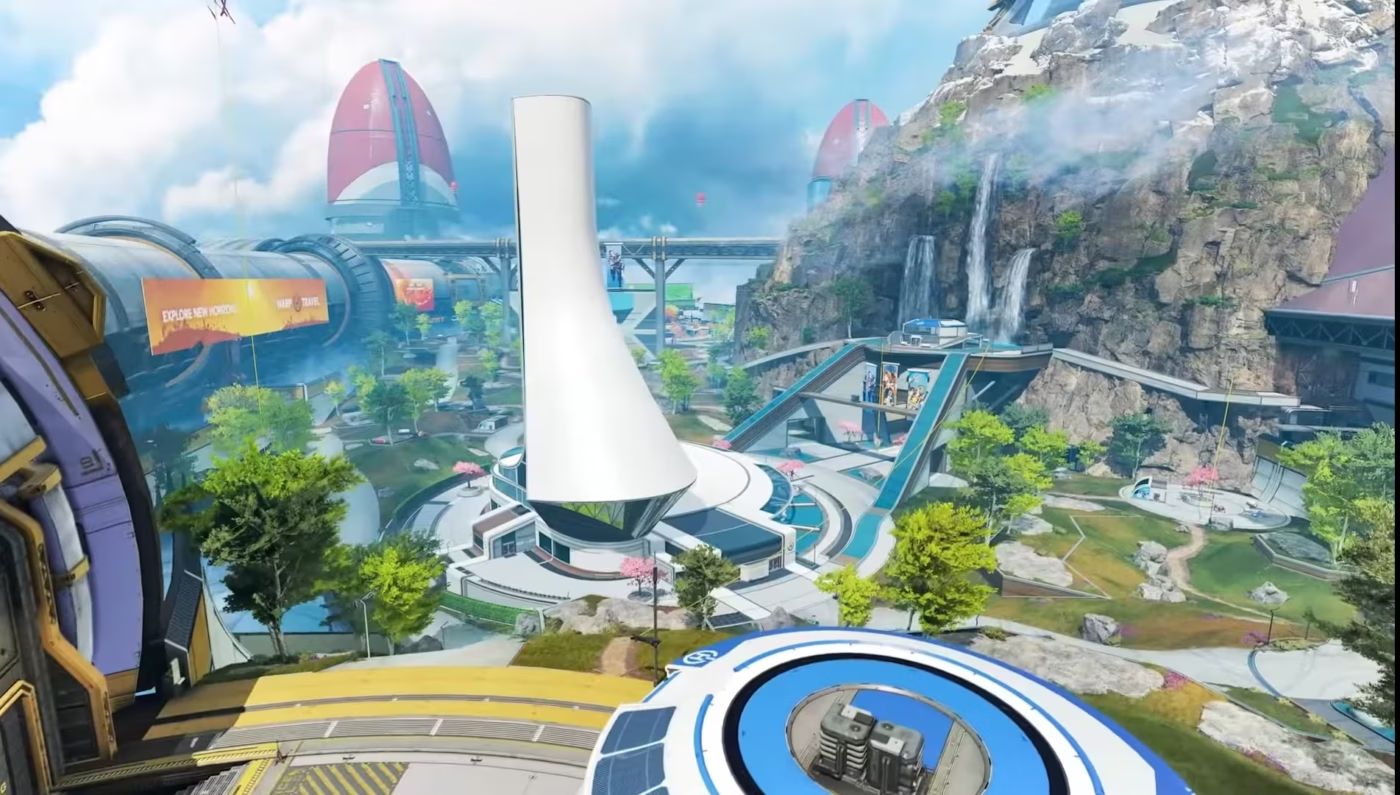
Olympus has long been the map of choice for high-speed, aggressive engagements, defined by its wide-open spaces and dangerous chasms. However, its open nature often led to frustrating “gatekeeping” scenarios where teams holding a few critical choke points could lock down large sections of the map, stifling mid-game rotation.
In the latest map update, Respawn Entertainment has focused on adding more avenues for movement and increasing the availability of positional cover, making Olympus feel more balanced and dynamic.
The Key Changes: New Paths and Defensive Geometry
The most impactful changes focus on two areas: providing safer traversal and allowing for more sustained gunfights:
- Tunnels Near Hammond Labs: New, dedicated vertical tunnels have been introduced around the highly contested Hammond Labs and Orbital Cannon areas. These tunnels provide an alternative, protected route for teams to rotate, bypassing the previously open sightlines and mitigating the effectiveness of teams simply locking down the main path.
- Increased Mid-Range Cover: Previously vast, exposed fields—especially between Power Grid and Oasis—have received additions of permanent, waist-high cover (rocks, crates, or low walls). This allows players to engage in mid-range gunfights without the immediate threat of being beamed by multiple long-range attackers.
- Reduced Gatekeeping: The introduction of multiple, less exposed rotational options directly counters the strategy of aggressively holding a single choke point. Teams must now spread their defensive utility more widely, or risk being flanked through the new tunnels.
These adjustments fundamentally alter how teams approach movement and territory control on Olympus.
Tactical and Competitive Implications
The map rework has immediate consequences for strategic planning and Legend choices:
- Rotational Flexibility: Legends focused on speed and mobility (like Octane and Pathfinder) benefit from the new tunnels, using them to execute rapid, unexpected flanks. The overall pace of the mid-game is faster as teams can move more freely.
- Long-Range Nerf: The increased cover indirectly acts as a nerf to long-range weapon metas, as players can now quickly find safety during exchanges. This pushes the focus back toward the close-to-mid-range engagements for which Olympus is best known.
- Endgame Diversity: The improved cover in the final circles, particularly in the open areas, means the endgame is less reliant on finding the single piece of high ground and more on utilizing the newly placed geometry for positional advantage.
The Olympus map update successfully retained the map’s high-speed identity while addressing its long-standing tactical limitations, creating a fairer and more engaging competitive environment.