
















Major patches in Battlefield 6 are often characterized by bold declarations, but the true architects of the new meta frequently operate outside the spotlight. Patch 1.1.3.0, despite its focus on technical stability, contains several significant, unlisted balance changes to weapon performance that players are only now beginning to uncover through rigorous testing. These “hidden buffs and nerfs” are crucial for understanding the current battlefield, as they determine which guns now belong in the top tier and which have quietly fallen from grace.
The Stealth Buffs: Rising Stars
Two weapon classes, previously considered middle-of-the-pack, have received subtle yet powerful increases in performance metrics, propelling them into serious meta contention:
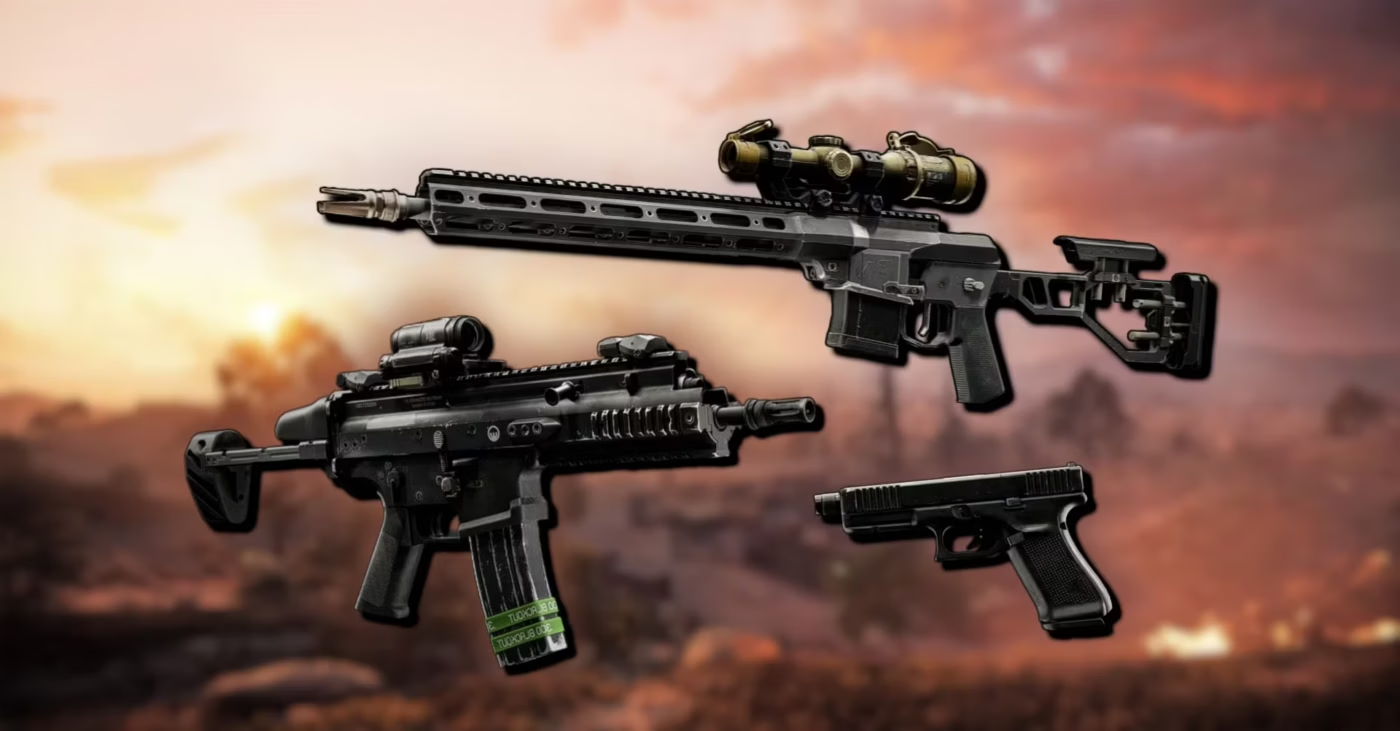
- AC-42 Assault Rifle: Community testing suggests a hidden reduction in the AC-42’s initial vertical recoil multiplier. This means the first few shots of its burst-fire are noticeably tighter and more controllable, particularly at medium range. This change significantly raises the weapon’s skill ceiling and rewards disciplined burst-firing, making it a viable alternative to the previously dominant single-fire ARs. Players who previously mastered the AC-42’s cadence will now find it devastatingly accurate.
- SVK Marksman Rifle: This rifle received a small but vital buff to its muzzle velocity. In a game focused on long-range engagements, even a marginal increase in bullet speed dramatically reduces the amount of leading required on moving targets. This change transforms the SVK into a much more reliable mid-to-long-range option, especially against targets on the new, open Ice Lock Empire State map.
The Subtle Demotions: Nerfs to the Old Guard
While no weapon was outright “nerfed” in the official notes, several high-tier weapons seem to have received slight adjustments that temper their previous dominance:
- Pace of Fire LMGs: Weapons like the PKP-BP appear to have received a minor increase in their minimum damage drop-off range. This means while they remain powerful at long distances, they now take one extra bullet to kill targets at their effective sweet spot. This subtle change slightly reduces their sheer oppressive power, giving infantry a chance to challenge LMG operators at the fringe of their domain.
- Recoil Recovery on High-Rate-of-Fire SMGs: The game’s most frantic SMGs, often used for hyper-aggressive flank routes, are exhibiting a slight delay in recoil recovery after a full-magazine dump. This does not affect their initial TTK, but it severely punishes players who rely on simply holding the trigger down, demanding more disciplined burst control in CQC to maintain accuracy.
The Bottom Line: Adapt or Be Left Behind
These unlisted adjustments are critical because they force players to move past outdated meta knowledge. The balance team clearly intends to inject more diversity into the game by subtly making previously fringe weapons more competitive and slightly trimming the overwhelming power of the long-standing meta picks.
Success in the current version of Battlefield 6 requires re-testing your favorite loadouts and understanding the nuances of these hidden changes. The battlefield has shifted, and only those who adapt their attachments and strategies to these new weapon realities will maintain their edge.