
















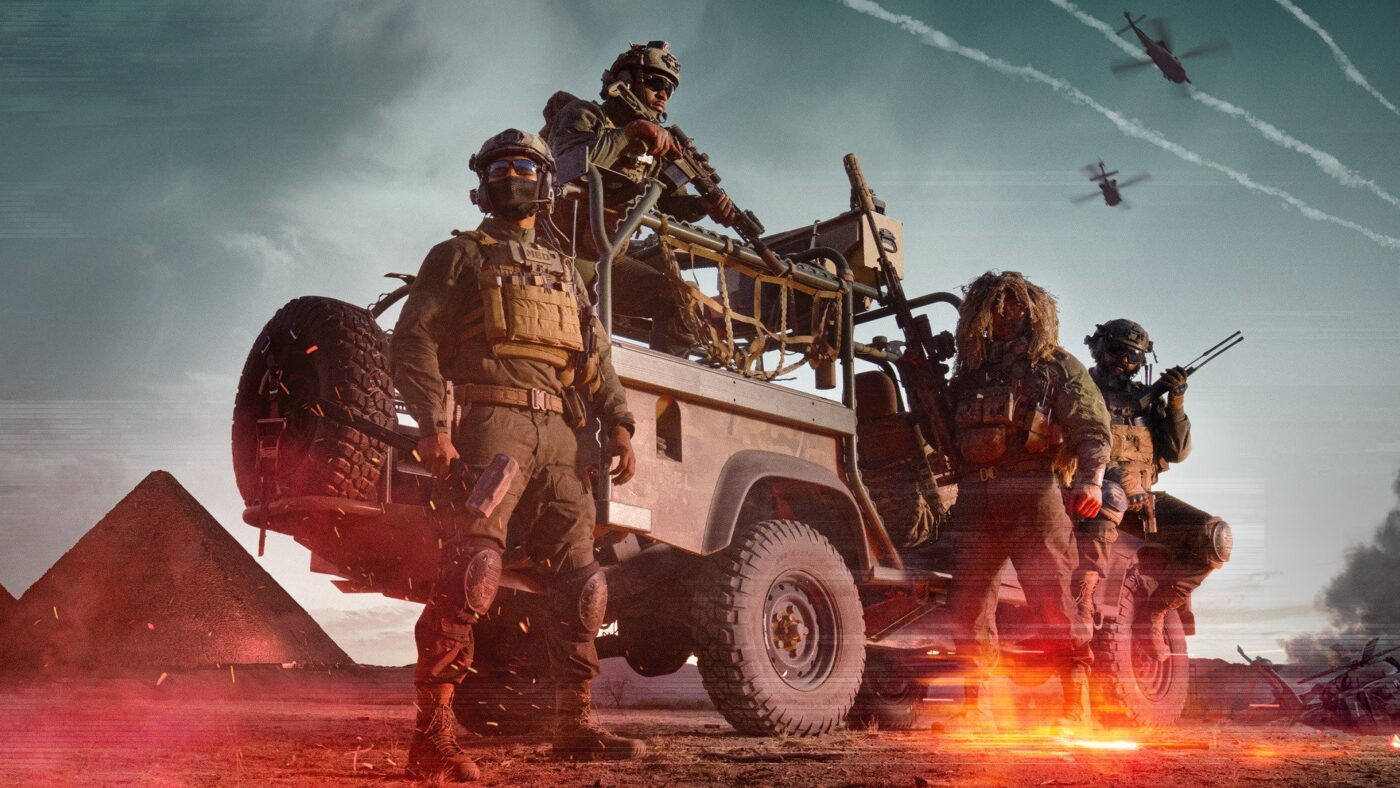
In large-scale military shooters like Battlefield 6, the success of linear, objective-based modes like Rush and Breakthrough hinges entirely on the delicate balance between attackers and defenders. For too long, certain maps have suffered from critical imbalances—either providing attackers an insurmountable edge in armor deployment or giving defenders impossible choke points. The latest patch tackles this head-on, deploying a comprehensive strategic optimization of sector layouts and vehicle balance on several problematic maps, fundamentally changing the rhythm of the battlefield.
Rethinking Breakthrough: The Manhattan Bridge Shift
The Breakthrough mode, known for its epic, rolling frontline, often stalled on two particular maps. The developers focused heavily on adjusting sector boundaries to ensure fairer fights:
- Manhattan Bridge Sector 2 Adjustment: Previously, the transition between Sector 1 and Sector 2 heavily favored the defenders, who could easily suppress attackers bottlenecked under the bridge. The new change expands the capture zone deeper into the second sector’s initial buildings, providing attackers with more immediate cover and multiple viable entry points. This subtle expansion mitigates the “meat grinder” effect, demanding that defenders spread their forces more thinly.
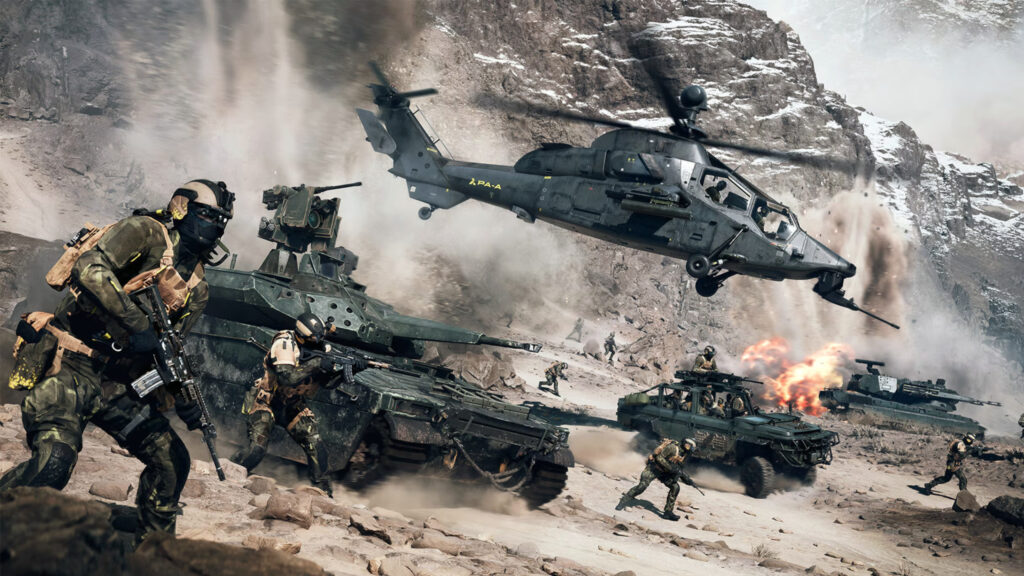
- Eastwood Vehicle Rework: On the sprawling Eastwood map, the balance of armor has been refined. Attacking forces now receive their second wave of Heavy Armor (tanks) one sector later than before. This aims to curb the early-game spawn-camping and power imbalance, forcing the attackers to rely on coordinated infantry pushes and lighter transport vehicles until a firmer beachhead is established.
Revitalizing Rush: Faster, Sharper, More Dynamic
The classic Rush mode, centered on destroying M-COM stations, required adjustments to ensure the game didn’t stall out prematurely.
- Objective Proximity Adjustment: On several smaller Rush maps, the distance between M-COM stations has been slightly increased. This may sound minor, but it forces attackers to use more sophisticated rotation strategies and reduces the likelihood of defenders immediately spawning on top of the next objective, creating a brief but vital moment for attackers to establish a secure plant.
- Defense Vehicle Limitation: To prevent defenders from simply overwhelming the two M-COM points with armor, the total allocation of Light Attack Vehicles (e.g., fast buggies with mounted guns) has been reduced by one slot. This encourages defenders to rely on infantry and fortifications, making direct assaults less punishing for the attacking squad.
The Strategic Outcome
These adjustments are not cosmetic; they are deep, mechanical interventions designed to improve competitive integrity. The goal is to eliminate frustrating choke points and ensure that success in both modes relies on superior team strategy and execution, not merely exploiting map flaws or vehicle spam.
Players will immediately notice matches feeling less one-sided. Winning in Breakthrough will require more deliberate, multi-pronged assaults, and success in Rush will depend on rapid, coordinated plants rather than brute force. The map flow has been meticulously refined, and it is up to the players to adapt their tactics to the new, more balanced frontline.