
















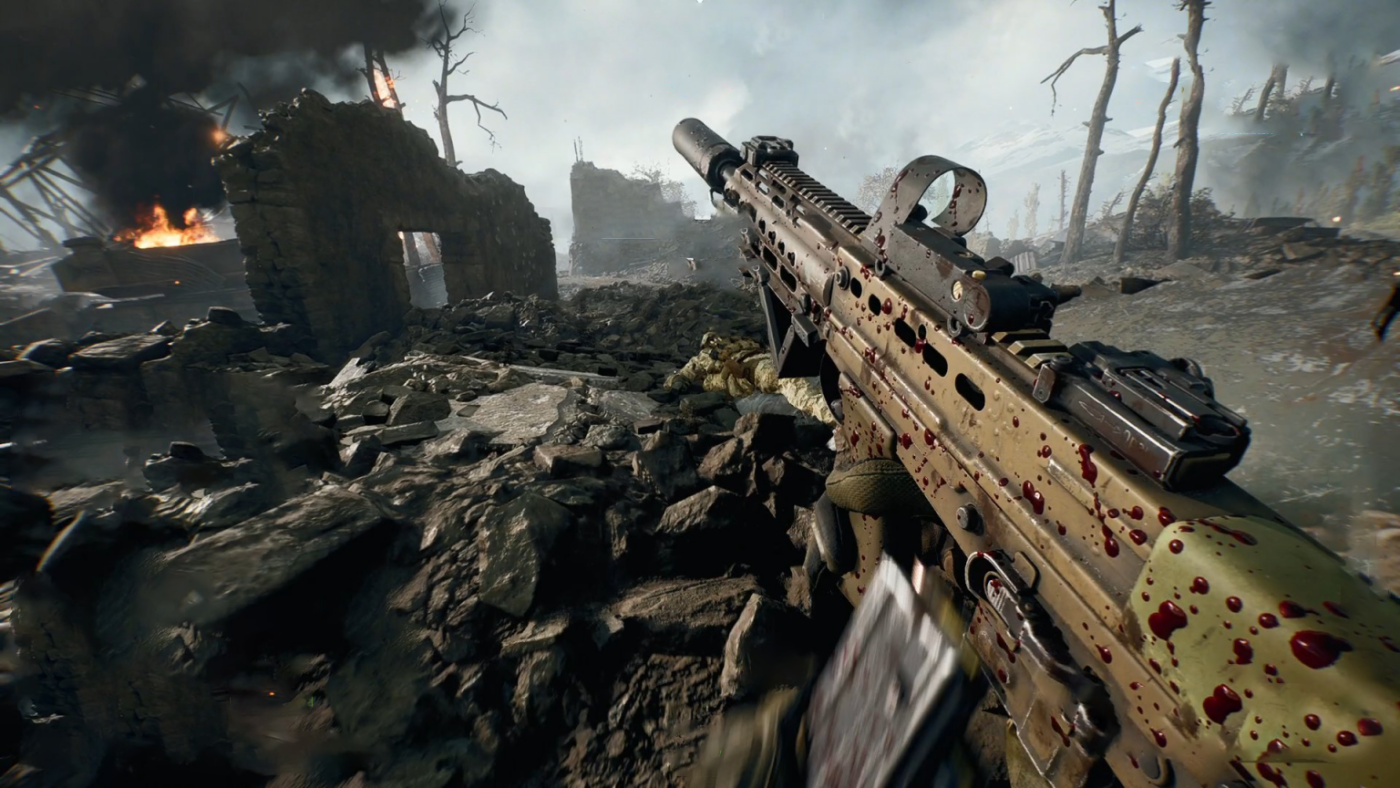
For any competitive shooter, a reliable connection between the trigger pull and the resulting damage is non-negotiable. For months, Battlefield 6 has struggled with inconsistent Hit Registration, leading to frustrating “ghost bullets” and unpredictable Time-to-Kill (TTK) scenarios. Now, following the latest technical patch (1.1.3.0/Winter Offensive), the community is collectively breathing a sigh of relief. Comprehensive player-driven testing confirms that the developers have finally addressed the core netcode issues, leading to a fundamental, positive transformation of the game’s gunplay.
The Problem vs. The Fix
The previous instability was primarily attributed to poor netcode synchronization, resulting in high latency discrepancies where the server struggled to reconcile the player’s firing action with the target’s actual position. This led to moments where players clearly saw their reticle on the enemy, only for the hits to simply vanish.
Post-patch, the difference is immediate and measurable:
- Consistency is King: Community-run tests involving controlled burst firing at moving targets, particularly in high-latency scenarios, show a dramatic reduction in missed shots. Where previously the hit-rate might fluctuate wildly, players are now reporting a consistency close to expected performance standards.
- TTK Predictability: The most crucial impact is on the perceived Time-to-Kill. Because all shots are registering correctly, players are consistently achieving the theoretical optimal TTK for their weapon. Engagements that used to feel like a “roll of the dice” are now decisive and predictable, heavily rewarding accurate shooting.
Real-World Impact: The Melee and Snap-Shot Revolution
The improvements are most keenly felt in two specific scenarios that previously highlighted the netcode’s flaws:
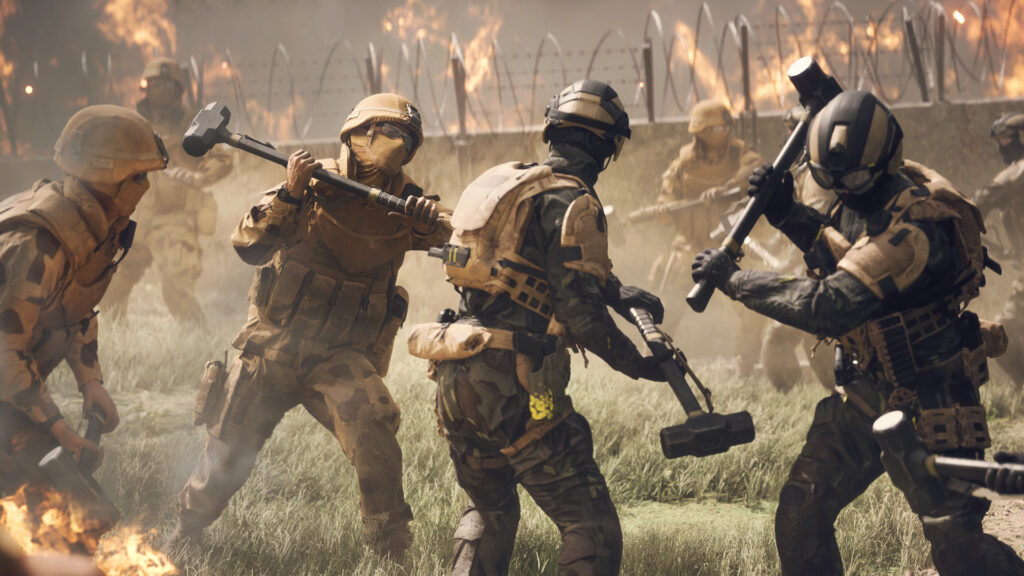
- Close-Quarters Combat (CQC): In tight spaces, fast snap-shooting and hip-fire accuracy are paramount. Previously, the rapid movement of CQC often outpaced the server’s ability to track hits, leading to frustrating losses. Now, SMGs and Shotguns feel significantly more reliable, making aggressive pushes a viable strategy once again.
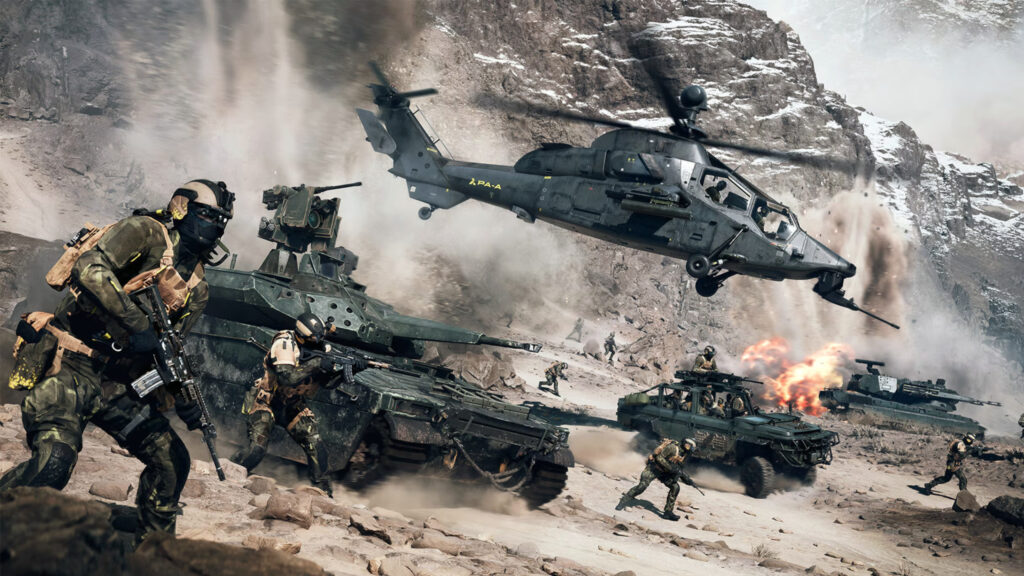
- Vehicle and Pilot Engagements: Shooting infantry emerging from transport vehicles or attempting to snipe a pilot from a distance was notoriously inconsistent. The increased reliability means that high-skill, high-reward shots—like downing a pilot with a single, well-placed NTW-50 round—are now registering with the intended precision.
The Verdict: A Game Reborn
The overwhelming sentiment from the dedicated player base is one of cautious optimism and genuine excitement. For the first time in the game’s life cycle, the fundamental act of shooting feels trustworthy. This is more than just a quality-of-life fix; it is a foundational repair that allows the core competitive experience to finally shine.
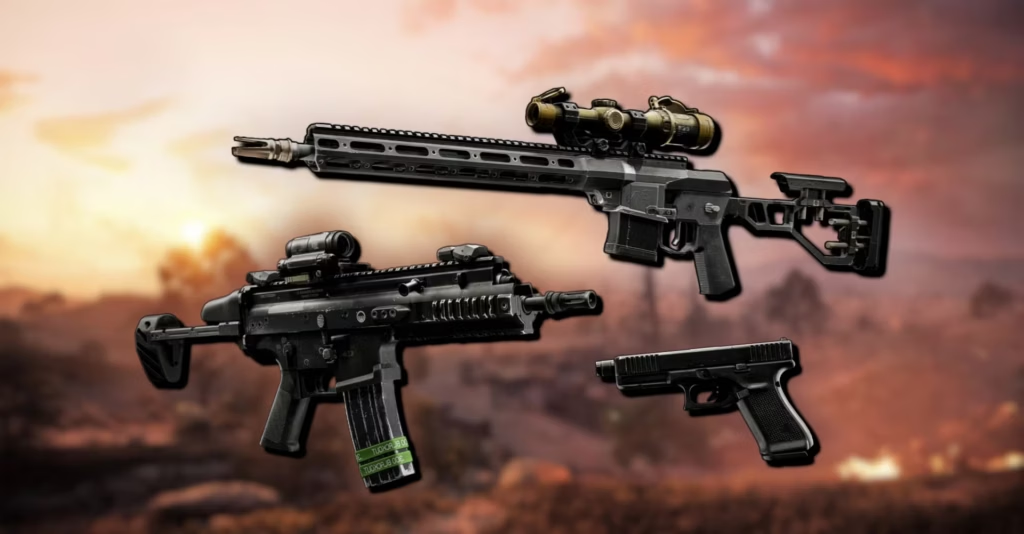
The gunplay meta will naturally evolve to reward weapons with superior raw stats, knowing that the network layer will no longer sabotage performance. Players are encouraged to revisit their favorite high-TTK weapons that were previously dismissed due to their unreliable hit registration.