
















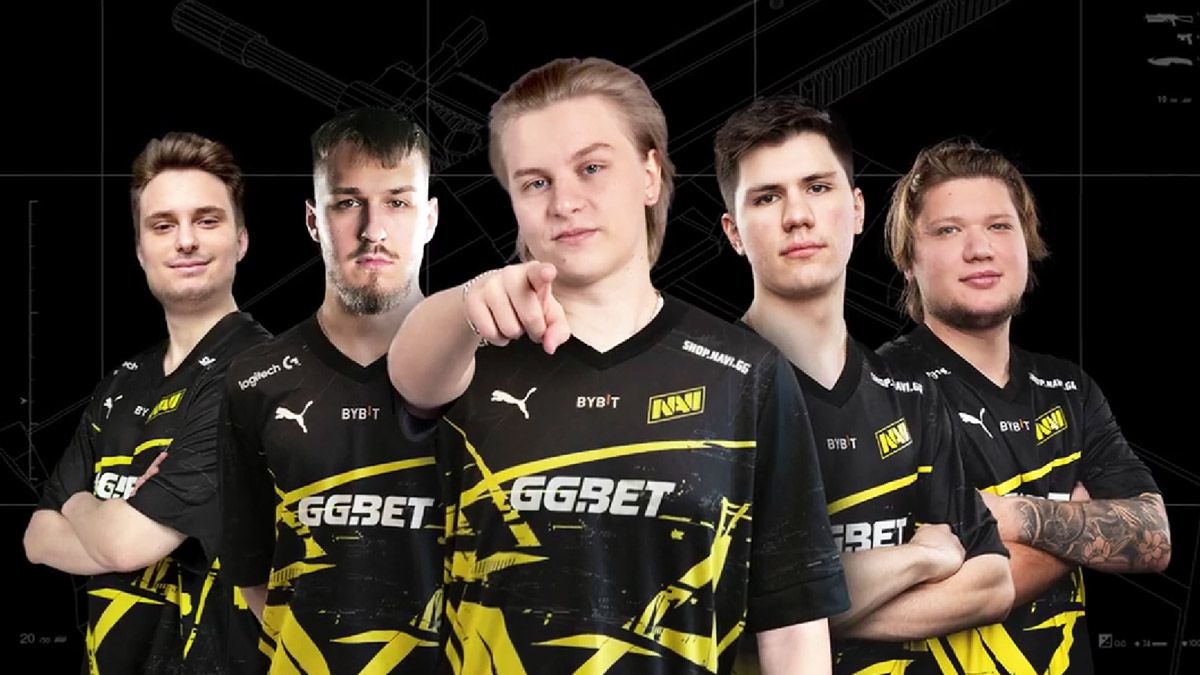
The global competitive landscape of CS2 has never been more clearly defined by regional strength. The past few major events have been an overwhelming display of power by teams hailing from Eastern Europe (EE), including squads from Ukraine, Russia, and Poland. Their success has come at the expense of other regions, most notably Brazil, which is currently enduring a highly visible and prolonged competitive crisis.
The current meta rewards aggressive confidence and mechanical precision, qualities that EE teams have demonstrated in abundance, leaving their rivals struggling to keep pace.
The EE Formula: Aggression Meets Depth
Eastern European teams have established a clear blueprint for success that is difficult for other regions to counter:
- Mechanical Superiority: EE players consistently showcase individual, top-tier mechanical skill. Their aggressive peeking, aim proficiency, and clutch ability often seem a step ahead of their Western and North American counterparts, allowing them to consistently win crucial opening duels.
- Tactical Flexibility: While historically known for raw aggression, the current top EE teams have paired this firepower with deep, flexible tactical structures. They execute complex utility setups with precision but are perfectly capable of transitioning into chaotic, loose plays when a round is breaking down.
- Deep Talent Pool: The EE region boasts a vast and highly competitive local scene that constantly feeds fresh, hungry, and mechanically sound talent into the top tier, ensuring that the regional dominance is sustained.
The Brazilian Crisis: Struggling for Relevance
In stark contrast, the once-mighty Brazilian scene, which pioneered aggressive, disruptive CS, is currently facing its deepest competitive slump:
- Lack of Structure: Despite moments of individual brilliance, Brazilian squads have struggled to find long-term stability and tactical depth. They often appear predictable or tactically rigid against the flexible, evolving playstyles of the EE and European teams.
- Talent Migration/Retention: Top Brazilian talent has either struggled to adapt to the CS2 meta or has become fragmented across different international teams, preventing the formation of a singular, dominant regional force capable of consistently reaching the late stages of major tournaments.
- Falling Behind Economically: The current competitive demands—such as consistent travel and training in Europe—have arguably widened the gap, making it harder for Brazilian teams based in their home region to stay abreast of the tactical developments happening overseas.
The current meta unequivocally belongs to Eastern Europe. Until other regions, particularly Brazil, can replicate the necessary combination of raw skill and tactical sophistication, the EE region will continue to hoist the vast majority of international trophies.