
















Taming the Wild West: Loot and Toxicity Changes
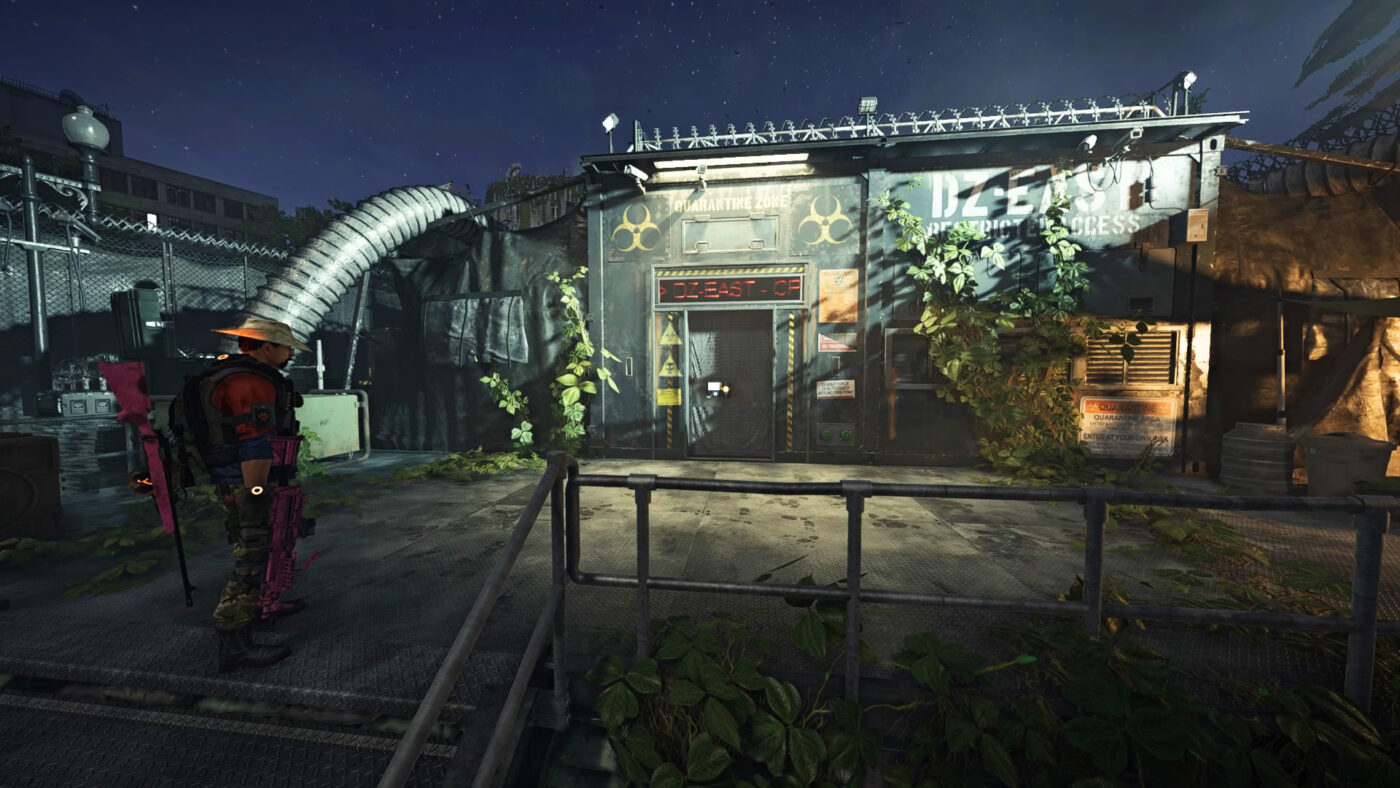
The Division 2’s Patch 21.5 brings targeted updates to the Dark Zone (DZ), the game’s core Player vs. Player vs. Environment (PVE) area. These changes aim to make the DZ a more rewarding destination for PVE-focused players while simultaneously mitigating the impact of hyper-aggressive, toxic PVP groups.
The key factual adjustments, based on common DZ reworks, likely include:
- Increased Non-Contaminated Loot: The drop rate or quality of loot that does not require extraction (non-contaminated items) may have been boosted. This gives PVE players a better reason to clear landmarks without the constant pressure of extraction camping.
- Targeted Loot Rebalance: The overall quality of contaminated loot has been adjusted to better reflect the risk. This often means increasing the chance of high-roll or named items, making the extraction risk more worthwhile.
- Toxicity Mitigation System: A system was likely introduced or heavily tweaked to address player toxicity. This often involves stricter penalties for repeat griefers, faster rogue status loss for non-aggressive players, or adjustments to the penalty applied to players who constantly “cut ropes” during extractions without engaging in combat.
The developers’ intent is to strike a better balance between the DZ’s high-risk, high-reward nature and creating a more welcoming environment for the majority of the player base who primarily seek PVE challenges.
Community Reaction: Hopeful Caution and Loot Focus
The community’s response is a mix of high hopes for a better experience and skepticism regarding the effectiveness of toxicity fixes.
- Praise for Loot Focus: PVE players widely praised the focus on better loot quality, both contaminated and non-contaminated. The idea of receiving better items for clearing landmarks, without needing to run the gauntlet of extraction, is seen as a necessary incentive to enter the DZ.
- Skepticism on Toxicity Fixes: The dominant skepticism revolves around the effectiveness of any toxicity mitigation system. DZ veterans argue that truly toxic players will always find loopholes. Many felt that the system needed harsher, more direct mechanical penalties (like longer Rogue timers or mandatory non-DZ cool-downs) to truly deter relentless griefing. The general sentiment is, “I hope it works, but I doubt it will change the core experience.”
Strategic Impact: Farming Routes and Risk Assessment
The DZ rebalance significantly alters player strategy regarding risk, reward, and optimal farming routes.
Firstly, the changes encourage a PVE-focused DZ entry. If the non-contaminated loot quality is high, players can spend time clearing landmarks and getting solid gear upgrades without ever having to call an extraction, changing the dynamic from high-risk combat to focused PVE farming.
Secondly, the loot rebalance forces players to reassess the extraction risk. If the contaminated loot is genuinely superior (e.g., higher chance of perfect rolls), PVE players may be more willing to endure the PVP risk for a chance at high-end gear, increasing the total number of players available for PVP encounters.
The Patch 21.5 Dark Zone rework is a critical attempt to balance the area’s inherent danger with its reward structure. While the loot improvements are a win for PVE players, the success of the toxicity mitigation system will be the ultimate determinant of the DZ’s long-term health in the Necropolis League.