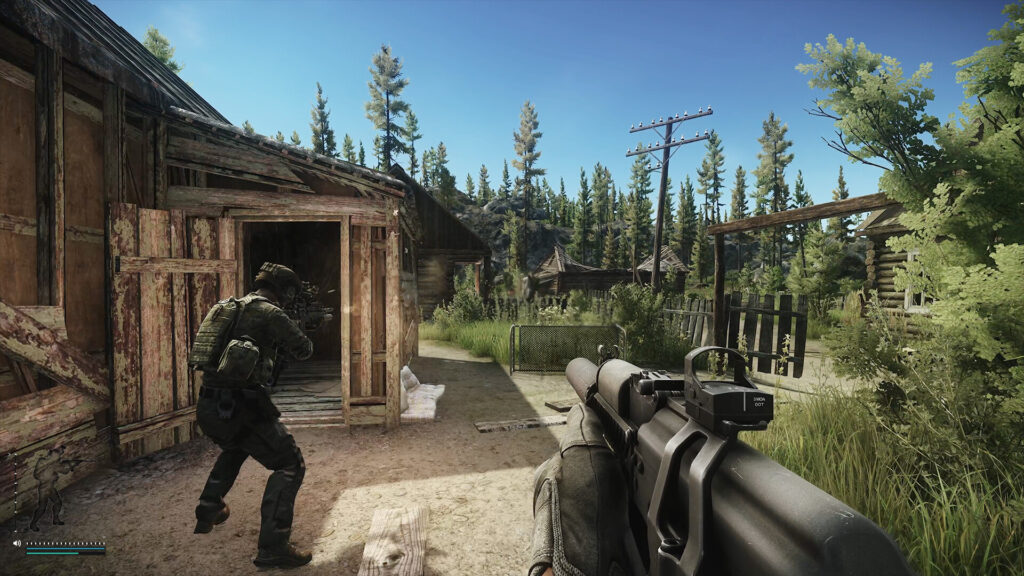

















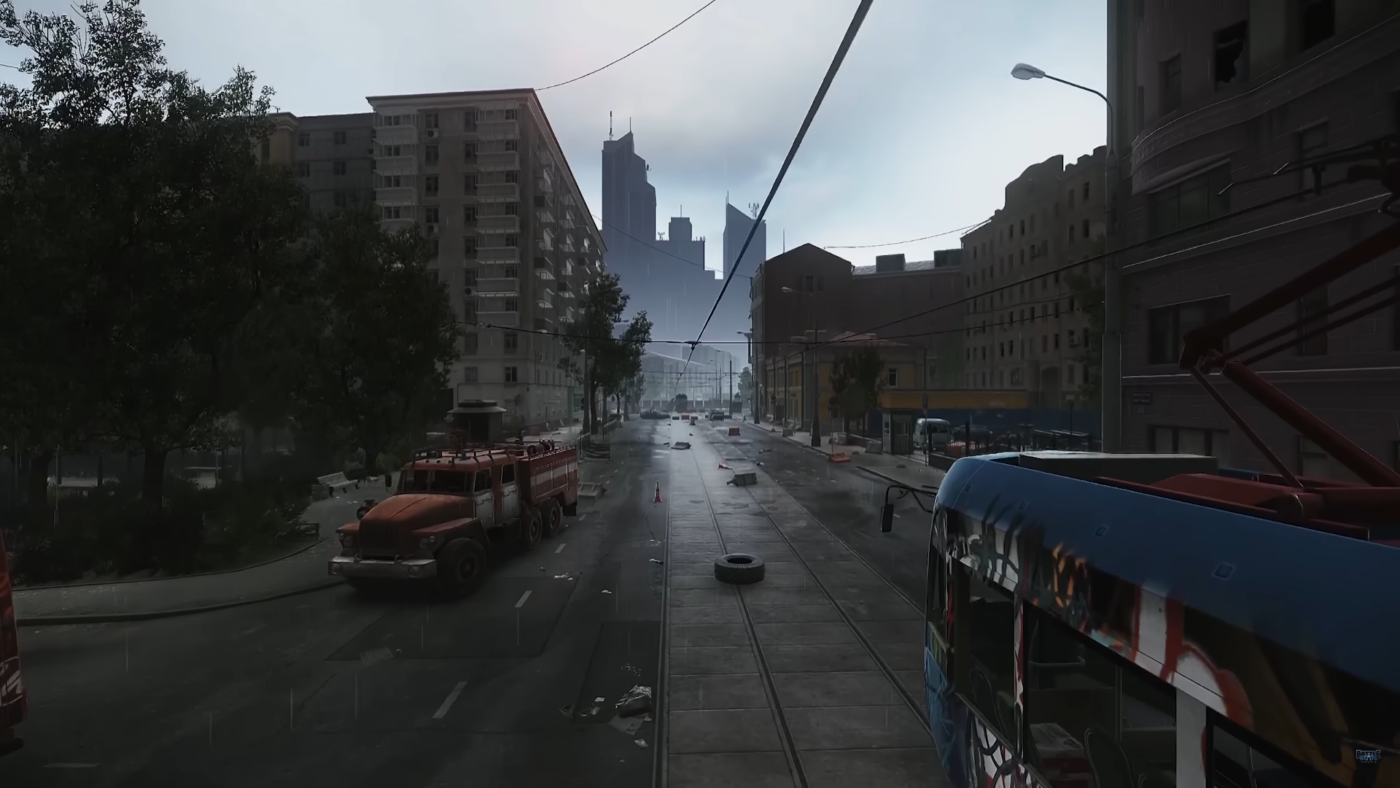
Streets of Tarkov stands as arguably the most ambitious project in the history of Escape From Tarkov (EFT). Players have waited years for its full realization, and every patch that brings a map expansion unleashes a storm of emotion. The recent update unlocked previously inaccessible districts, transforming the map from a fragmented urban quarter into a massive, genuine metropolis.
However, as is tradition in Tarkov, new opportunities are often shadowed by persistent technical challenges.
The Expansion: New POIs and PvP Scenarios
The most significant change is the integration of new, densely populated, and vertically complex areas.
- The Theatre and Administrative Center: The opening of these zones immediately created new hotspots (POIs) for PvP. The Theatre, with its multi-level balconies and narrow corridors, has become an ideal arena for close-quarters combat utilizing shotguns and submachine guns. The Administrative Center, conversely, encourages slower, more tactical gameplay focused on corridor control.
- Shifting PvP Flow: The map’s expansion has led to a more even distribution of players. Previously, everyone concentrated around the central locations. Now, with the increased square footage, players are forced to spread out, making the start of a raid less lethal but complicating the final stage: extraction points may now be located in unexpectedly remote and less-traveled areas.
- New Loot Routes: Developers have added dozens of new, high-value containers and safes within the new buildings, shifting the focus of farming away from “over-farmed” spots like the Conservatory.
Optimization: Real Gains or Placebo Effect?
The core issue with “Streets” has always been performance (FPS). The update that brought the expansion also included a critical suite of optimization patches.
- Positive Dynamics: Most players with modern systems report a noticeable, though not yet perfect, improvement in FPS, particularly in previously problematic, “heavy” zones with numerous textures and light sources. This appears to have been achieved by refining the rendering system and potentially reducing detail at long distances.
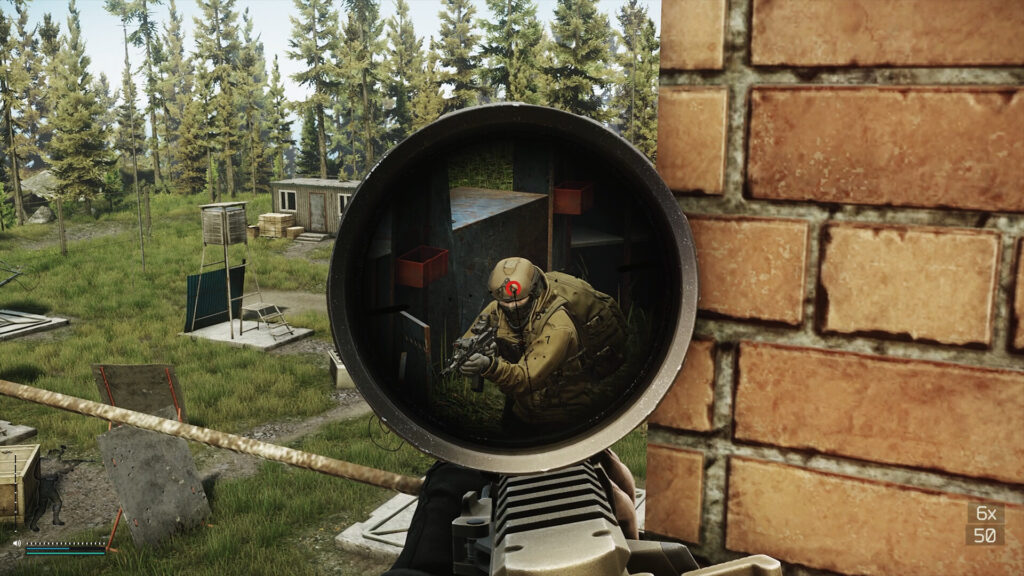
- The CPU Bottleneck: Nevertheless, players with less powerful processors (CPUs) still face a “bottleneck.” The “Streets” map remains exceptionally demanding on the processor’s computing power, and problems with frame drops during intense firefights or when rendering a large number of objects persist.
- The Verdict: The technical team at Battlestate Games has made progress, making the map more playable for a wider range of users. However, “Streets of Tarkov” remains the ultimate stress test for gaming hardware.
The expansion of “Streets” has successfully achieved its goal: it has added a wealth of tactical options and loot. Now, the main question is how quickly the developers can bring the technical optimization up to a level that allows players to enjoy the city’s beauty and complexity without constant worry about the frame rate.