
















The balance between fast movement and resource management is a core tenet of the Fortnite experience. With the latest update, Epic Games has introduced two major, contrasting mechanics that redefine how players approach rotation and positioning: the high-speed utility of the Grappling Hook and the taxing requirement of Vehicle Fuel.
The message is clear: short-range movement is now easier and more vertical, but long-range rotation requires genuine logistical planning.
The Good News: Verticality and Aggression
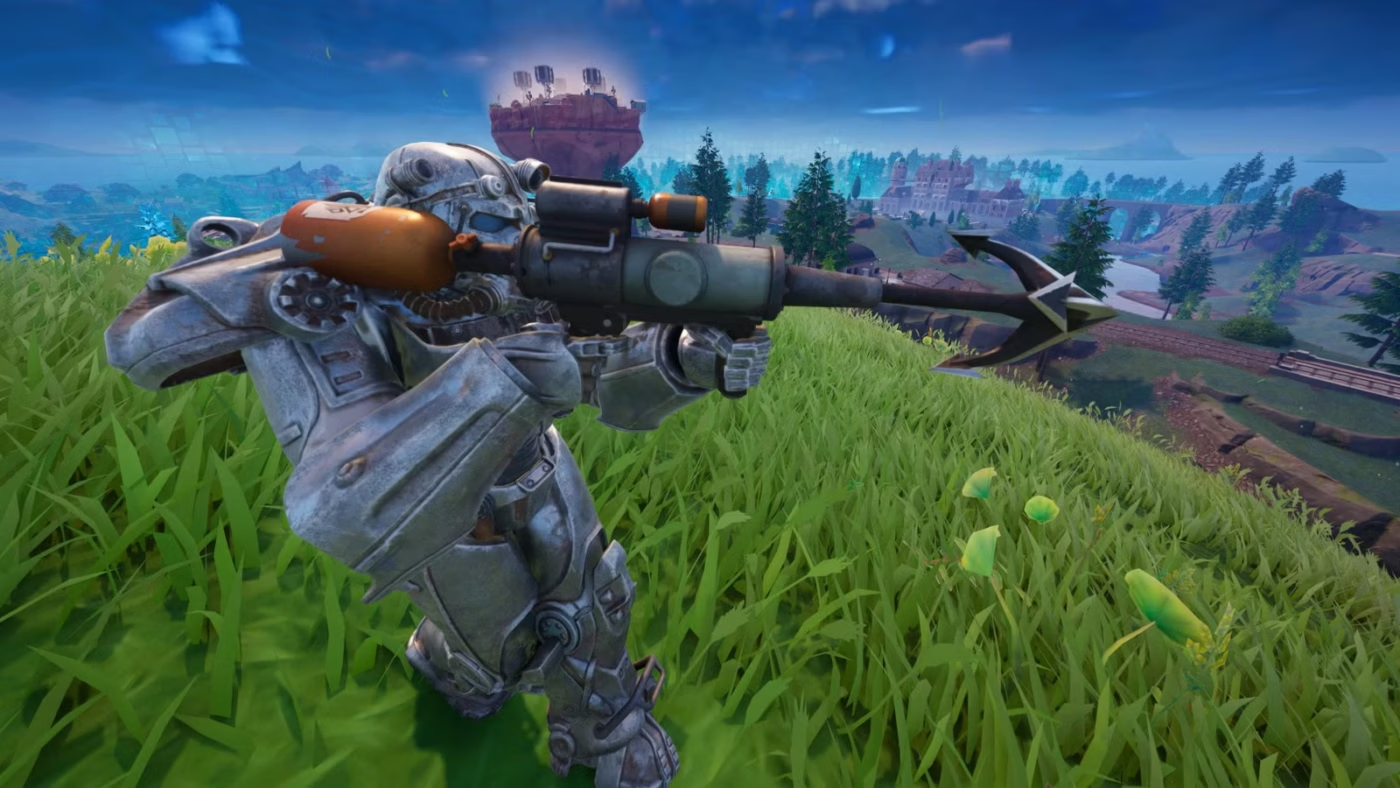
The introduction of the widespread Grappling Hook item (or similar mechanical tool) immediately changed verticality and engagement:
- Instant High Ground: The Hook allows players to quickly and easily seize high ground, making surprise attacks and rapid repositioning far more accessible. This is especially critical in Zero Build, where getting to the top of a cliff or building was previously slow and exposed.
- Aggressive Pushing: The Hook is not just defensive; it’s an incredible initiation tool. Players can close distance on a retreating enemy or surprise an opponent holding a static position, significantly speeding up the pace of engagement.
This mechanic promotes active, fast-paced play in close-to-mid-range engagements.
The Catch: Fuel Management is Mandatory
To balance the ease of mobility, the utility of ground vehicles has been directly tied to resource management:
- Fuel Requirement: All drivable ground vehicles (trucks, cars, buggies) now require continuous monitoring and refilling using gasoline canisters or gas stations. Running out of fuel renders the vehicle useless until the player finds more resources.
- Logistical Planning: This change adds a necessary layer of complexity to long-distance rotation, especially in competitive play. Players can no longer rely on finding an abandoned car for a free ride into the next zone; they must dedicate inventory slots to gas or actively detour to a refueling point.
- Punishment for Negligence: Teams that neglect to manage their fuel supply are severely penalized in the later stages of the game when the Storm damage is high and fast rotation is essential.
This combined mechanical shift creates a compelling strategic trade-off. Players must decide when to rely on the fast, localized utility of the Hook and when to commit inventory space to ensure their long-range vehicle rotation is secured.