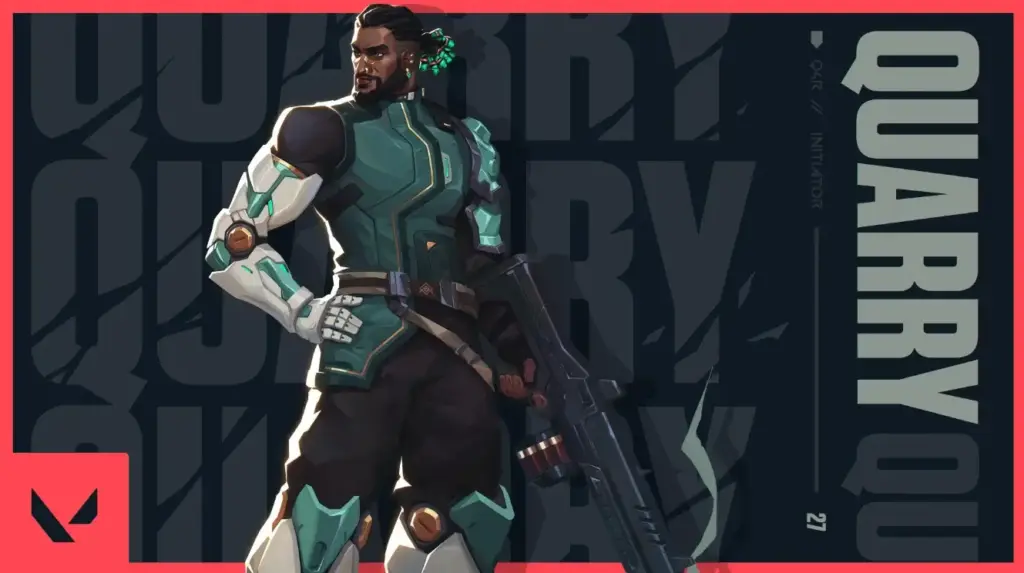

















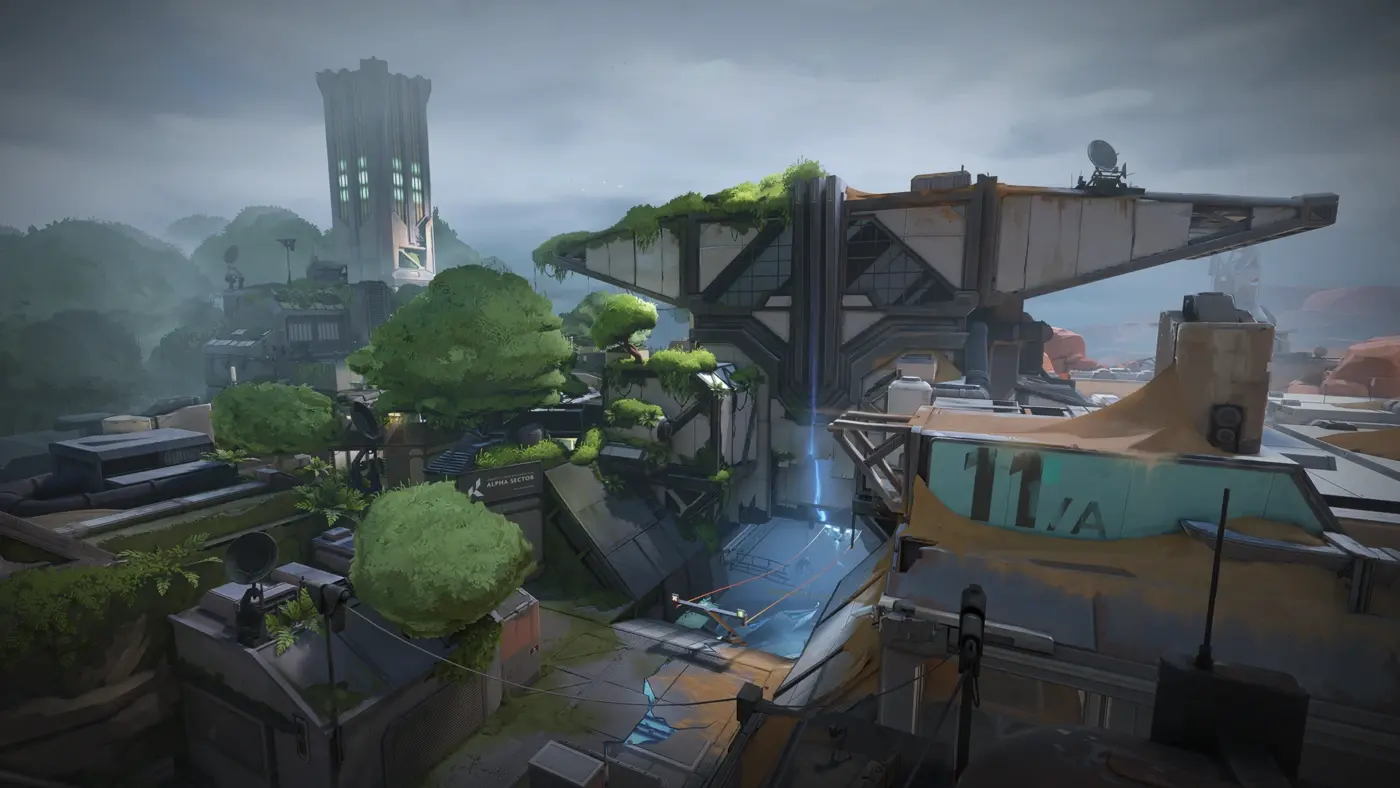
One of the most unique and controversial maps in VALORANT, Fracture, has finally returned to the rotation in Patch 11.11. This is not the dual-attack map we once knew: Riot Games has performed thorough surgical revisions, focusing on two key elements that historically created imbalance: rapid rotations and the overly exposed A-Site.
The reworked Fracture demands that teams completely rethink their strategies, especially concerning speed and stealth.
The Zipline Terror: Stealth is Dead
The most significant, and perhaps most debated, change concerns the ziplines—Fracture’s unique element that allows players to quickly traverse the center of the map.
The Core Change: Developers have substantially increased the radius and volume of the sound when using the ziplines, and potentially added a minimal delay before movement begins.
The Consequences: The element of surprise, which was previously available to both attackers and aggressive defenders, has been completely eliminated. Now, if a player attempts to quickly cross from A-Site to B-Site via the zipline, their movement will be clearly audible across most of the center of the map, as well as the approaches to both bomb sites.
- For the Defense: No more “silent” flanks from Viper or Cypher suddenly appearing behind the attackers. Defense must now rely on ability-based information rather than raw speed.
- For the Attack: Attackers can no longer use ziplines for quick splits or fast retreats. Any use of a zipline is an immediate signal to the enemy for rotation.
A-Site Modification: Balance in the ‘A Dish’
The second critical change is the rework of A-Site (including A Dish and A Rope/Hall). Historically, this site was extremely difficult to hold for the defending team.
The Core Change: Modifications were made to the geometry of the A Dish area, where defenders often struggled with a lack of cover. New lines of sight were also added, allowing defenders to safely peek the Attacker-side entrance. Furthermore, the A Hall/Rope corridor was altered to complicate spamming smokes and utility.
The Consequences:
- Defense Empowerment: It is now easier for defenders to play aggressively near the “Dish” and hold the post-plant, as they have more secure positions for placing utility (e.g., Killjoy’s Lockdown).
- Tactical Entry: Attackers must now spend more utility to execute a successful A-Site entry, as simple smokes and grenades no longer guarantee a full clearance of angles.
The Verdict: A Healthy Imbalance?
The reworked Fracture undoubtedly feels like a more balanced map. The zipline changes raise the reward for mid-control and slow rotations, while the A-Site modifications make playing Defense less of a hopeless endeavor.
In the new Fracture meta, agents who provide passive information (Cypher, Killjoy) become more valuable than agents relying on aggressive flanks (Yoru, Jett). This is a healthy return to the fundamentals of tactical gameplay.