





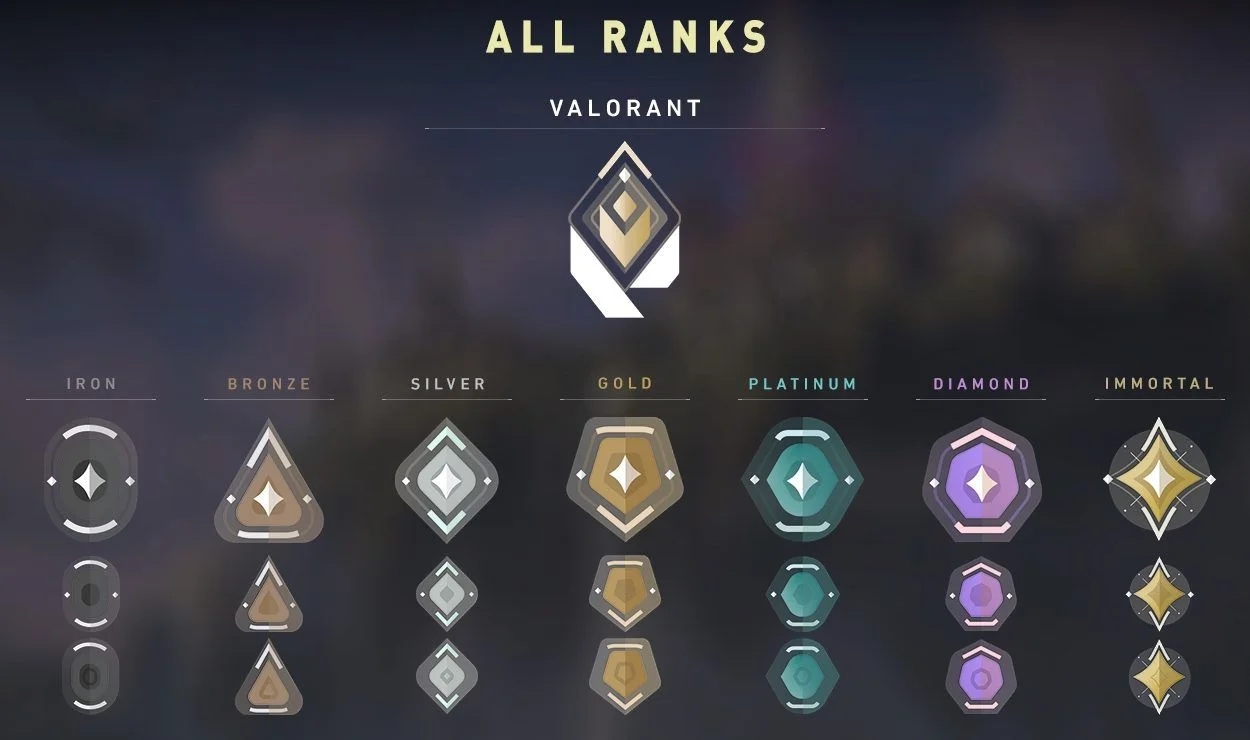
The premier Valorant boosting providers distinguish themselves through verified high-rank professional players, stringent account security protocols (especially regarding geo-location and VPN usage), and flexible service models tailored to the client’s preferred involvement.
The Necessity of Professional Rank Elevation
Valorant’s ranking system, while performance-based, often traps skilled players in lower tiers due to factors outside individual control, making professional assistance a strategic shortcut.
The Grind of Rank Rating (RR) and MMR
- The RR Wall: Achieving higher ranks demands consistent net positive RR gains, which is especially difficult when your Matchmaking Rating (MMR)—the hidden value tracking true skill—is lower than your displayed rank. Boosters specialize in rapidly closing this gap by maintaining high Kill/Death/Assist (KDA) ratios and high win rates, which accelerates positive MMR adjustments.
- Performance Bonuses: Elite players consistently achieve high combat scores, which translates directly into larger RR gains per win, speeding up the entire process and making the boost more efficient.
Bypassing the Solo Queue Variables
The biggest time sink in Valorant is navigating unreliable teammates, smurfs, and communication breakdowns in solo queue. Boosting services guarantee a consistently high level of execution, eliminating the dependency on random teammates and focusing purely on securing round wins.
|
Rank Segment |
Primary Challenge Overcome |
Service Guarantee Focus |
|
Gold/Platinum |
Unreliable team coordination; inconsistent utility usage. |
Guaranteed placement into the rank and maintenance of a high win rate. |
|
Diamond/Ascendant |
High MMR variance; skill plateau; high-stakes promotion games. |
Guaranteed completion of promotion matches and rapid RR acquisition to break the rank floor. |
|
Immortal/Radiant |
Extreme skill ceiling; high RR penalties; minimal error margin. |
Piloted play by verifiable Radiant-tier professionals with maximum security. |
Delivery Models: Flexibility and Security Mandates
Valorant boosting offers two primary models, each with specific advantages and non-negotiable security requirements to protect the client’s Riot account.
Piloted Play: Maximum Efficiency
- Use Case: This is the fastest and most efficient model, ideal for clients who want to climb multiple tiers quickly (e.g., Platinum to Ascendant) without personal involvement. The professional logs into the client’s account and executes the competitive matches.
- Mandatory Security Protocol: Due to Riot Games’ strict policy against account sharing, the provider must strictly enforce a Geo-Matched VPN protocol. This is critical, as it simulates the client’s home IP address and location during the sustained external login, minimizing the risk of account flagging for unusual activity (e.g., logging in from another continent).
Duo/Carry Queue: Zero Risk of Account Sharing
- Use Case: Recommended for clients who wish to play alongside the professional, gaining the benefit of their expertise while maintaining full control of their account. This is the safest method as it involves zero account sharing.
- The Safety Net: The professional joins the client’s party and guarantees a high win rate, acting as the team’s primary anchor and making the crucial tactical calls. The service often includes a guarantee to reach a minimum net RR gain per session.
Contract Guarantees and Player Vetting
A reputable Valorant boosting service provides clear, non-negotiable guarantees regarding the final rank and the quality of the professional player assigned.
Guaranteed Rank Completion and Reassurance
The contract must explicitly guarantee the contracted final rank (e.g., “Guaranteed Ascendant 1 Unlock”). If the professional fails to achieve the specified rank within the agreed-upon timeframe or matches, the service must be extended until the rank is achieved at zero additional cost to the client. This shifts the risk of poor performance entirely onto the service provider.
Vetting the Booster’s Credentials
The professional assigned to the account should have verifiable credentials far exceeding the target rank.
- Rank Verification: For any boost up to Immortal 3, the professional should be a verifiable Radiant-tier player in the current or immediate past Episode.
- Performance Metrics: The contract should include a guarantee for a minimum KDA or Combat Score during the process, ensuring the professional is boosting the MMR effectively, not just grinding low-efficiency wins.
Mandatory Account Security and Communication
Protecting your Riot account requires strict adherence to security protocols both before and after the service execution.
- Pre-Service Clean Up: Before initiating a Piloted boost, the client should remove any pre-set 2FA/MFA on the Riot account and securely provide temporary credentials. Crucially, the client must agree to not log into the account or play any games until the service is declared complete to avoid VPN conflicts or accidental flagging.
- Post-Service Verification: Upon completion, the client must immediately change the password and re-enable any Multi-Factor Authentication (MFA) on the account.
- Communication Transparency: The service must use a secure internal communication channel to coordinate login times, track progress, and notify the client the moment the service is completed, allowing for immediate password changes.
Investing in professional boosting bypasses the painful solo queue grind and ensures you achieve the rank that accurately reflects your potential.